What Is a Mortise Lock and Why Older Homes Depend on Them
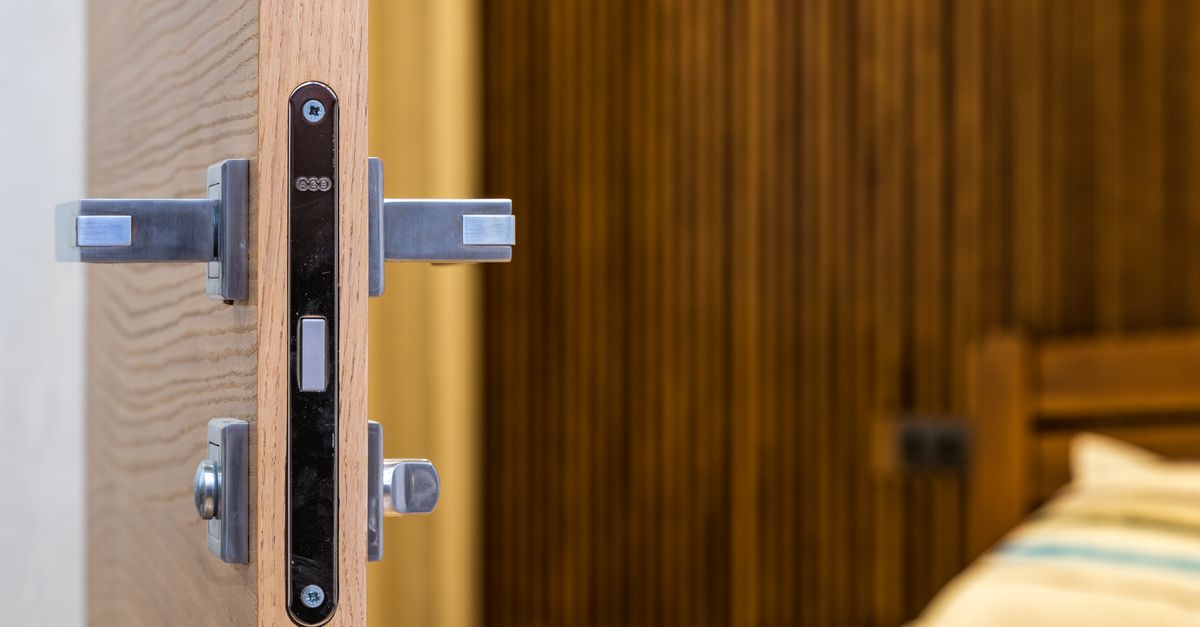
A mortise lock is a complete locking assembly — latch bolt, deadbolt, strike, and often a privacy or passage function — housed inside a single rectangular case that slides into a pocket (the mortise) cut into the edge of the door. Unlike a bored cylindrical lock that simply drops into two round holes, a mortise lock set integrates every moving part into one unit, which is why installers from the early 1900s through the mid-century period favored them for exterior doors on homes across small towns like Montpelier. Brands such as Corbin Russwin and Baldwin built mortise hardware to exceptionally tight tolerances, and many of those units are still in service today — a testament to their engineering. The trade-off is that when something finally does fail, the repair requires genuine familiarity with the internals of that specific chassis, not a one-size-fits-all approach.
Common failure points include worn cam followers, cracked spindles, seized mortise lock cylinders, broken springs inside the case, and stripped set screws on the trim roses. Each issue presents differently: a stiff thumb-turn usually signals a faulty cam or a dry internal mechanism, while a bolt that will not retract fully often points to a worn follower or a misaligned strike plate. Our technicians are trained to distinguish between a lock that can be serviced in place and one whose internal tolerances have collapsed past the point of reliable repair — an honest assessment that protects you from paying for repeated service calls.